
Activism is the antidote for human rights violations

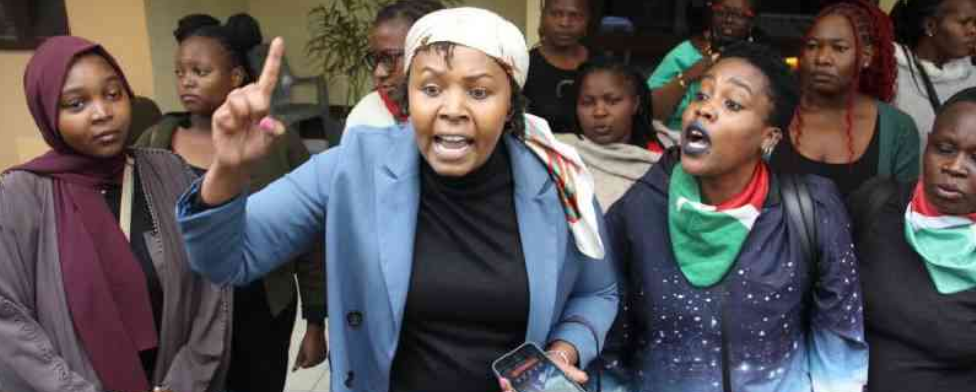
Once again, human rights violations scarred many and tested our national conscience over 2025. However, several victories remind us, hope survives not as a passive emotion but as the consequence of our personal vigilance and public action.
Authoritarian regimes across the world deliberately defunded or degraded all but the performative optics of multi-lateralism and the UN. Despite 23 years of the African Union, African states proved incapable of ending conflict in Sudan, Ukraine and Gaza or reversing climate chaos that stalks both people and planet.
Lawfare against opposition parties have eviscerated the power of electoral democracies across East Africa. Elections are now won before any citizen can get to a ballot box. Digital technology with the capacity to expand civic participation and deepen public transparency has been restricted to divisive, toxic and hate-based platforms. “US or us first” national security and foreign policies prolong deadly conflicts for millions and the most significant rights recession and the global leadership vacuum in eighty years.
At home, despite months of calm, still as many Kenyans were killed exercising their right to assembly in June and July as 2024. The death of late whistle-blower Albert Ojwang’, fisherman Brian Odhiambo and the state abductions of Boniface Mwangi, Agather Atuhaire, Nicholas Oyoo and Bob Njagi and others alerted us to a new and worrying trend. Being held in custody in police stations at home or abroad are no longer safe spaces. With no significant movement on justice or compensation for state violence, we must continue to press the national administration, ODPP and KNCHR for truth and accountability.
State paid online harassment, censorship, and surveillance reflected a dangerous slide toward digital authoritarianism. Citizens must press technology companies and regulators to adopt human rights compliant policies to protect digital freedoms and stop state-sponsored trolling ahead of 2027.
Yet 2025 was not only a year of violations. Championed by Senator Crystal Asige, the Persons with Disabilities Act now offers several freedoms including the right of all wheelchair users and other persons with disabilities to access public transport, public online and offline spaces. It also introduced tax incentives for inclusive employment.
January’s High Court ruling decriminalising suicide enables survivors to seek counselling without the fear of arrest in honour of the late Charity Muturi. S.C., a transgender person, secured a court order protecting all Kenyans against non-consensual and un-supervised strip searches and forced medical examinations while in police custody. Unlike Tanzania, our courts agreed with seven civic organisations and have outlawed blanket internet shutdowns.
Two years of public resistance to excessive taxation and health and education cuts highlight Kenya’s greatest human rights risk today, namely, inequality, hunger, and despair. Without strong social protection and universal access to essential services, Kenya Kwanza cannot tackle the roots of unrest. Most human rights victories don’t hit the headlines. Reported or not, they all have one thing in common. They were achieved by either citizens or civic organisations acting in the public interest.
Rights violations are deliberate consequences. Those identity-based divisions we feel between us, are manufactured to control all of us. The violations and divisions are driven by the harmful decisions of a few but also our silence in the face of them. Authoritarians don’t need laws to strip freedoms. They only need to shape mindsets that make us surrender them. Our silence is engineered. As 2025 ends, the fear we feel about the future mirrors the current level of action we are personally taking or not. The more of us that act together, the faster we can secure prosperity, dignity, and safety for all within our borders.
As the UN urges us, like brushing our teeth, rights activism must become an everyday habit. Truphena Muthoni’s powerful tree-hugging protest last month matters, but so does our ability to act together to safeguard our constitution. Enfranchising 12 million Kenyans to vote before 2027 elections is now critical. So is building a national conscience and our collective capabilities to protect and promote human rights everywhere we are.
Happy new year everyone.
This opinion was also published in the Saturday Standard, 27 December 2025.


Comments