
Hospitals are not jails

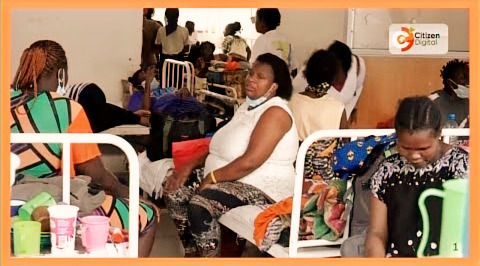
The National Assembly took a decisive step to end two of Kenya’s most inhumane healthcare practices on Wednesday 11 November 2026. Their approval of the Health (Amendment) Bill, 2024, sponsored by Hon Njeri Maina, marks a major step towards patients' rights and away from the denial of emergency care and the detention of patients or bodies over unpaid medical bills. As the Bill moves to Senate, what will it take to turn this legislative intent into reality for millions?
While global data on emergency care denials and hospital detentions remains limited, the World Health Organization has documented hundreds of thousands of people affected. Patients and families have successfully challenged the practice in Kenya. Severely injured in a road accident in 2015, Madaga spent 18 hours in an ambulance with his wife, Jessica Moraa searching for a hospital willing to admit him.
Recreated later in Njue Kevin’s 18 Hours movie, the tragedy prompted advocacy by SID-Kenya’s Kenya Dialogues Project and KELIN. In 2016, the Kenya Medical Practitioners and Dentists Board found Coptic Hospital liable for failing to attend to Madaga professionally and Kenyatta National Hospital for failing to provide prompt care. Inspired by Madaga’s death, an earlier attempt to pass a similar bill was unsuccessful. Deeply traumatised by the experience, Jessica died shortly afterwards.
In an early ruling against hospital detention, Pumwani Hospital was fined Sh 2 million in 2015 after the Center for Reproductive Rights sued on behalf of Millicent Awuor and Margaret Oliele, who were detained after giving birth. Since then, courts have repeatedly upheld patients’ rights, including recent rulings in 2025 and 2026 that have imposed heavy penalties on hospitals for violating constitutional protections of dignity and liberty.
The Bill aligns our laws with the constitutional right to health and WHO calls to end hospital detention. It makes it an offence to deny emergency treatment due to patient’s inability to pay, imposes fines of up to Sh 3 million for public facilities demanding upfront payment and Sh 2 million for detaining bodies. It also allows hospitals to recover costs through agreed instalment plans.
The Emergency Medicine Kenya Foundation estimates that the 57 Kenyans who die every hour could be halved with a functioning emergency care system. Admission is only part of the solution. For this Bill to succeed, our 47 + 1 governments must also invest in emergency healthcare. The 2025 Auditor General emergency care report found that only three of 33 sampled Level 4 hospitals had accident and emergency departments. Thirty-four per cent of 269 ambulances sampled were non-functional and no county government currently had a dedicated emergency budget.
Concerns that the Bill will cripple an ailing health system are misplaced. Many bills accrue after patients are stabilised. The Bill neither cancels debts nor makes billing illegal. It does, however, require hospitals to recover them lawfully not by detaining patients. Instead of paying for costly lawsuits, hospitals must now plan for staggered collections and higher bad-debt provisions.
The Social Health Authority must move faster to clear legitimate debts owed to health facilities and fully implement the Sh 8 billion Emergency, Chronic and Critical Illness Fund the President announced in August. Late insurer payments leave hospitals with few ways to recover costs. After enactment, parliamentary health committees can monitor major healthcare providers to confirm that large upfront deposits and post-treatment detention have stopped. They should also watch for restrictive triage or admission definitions and premature transfers of patients still at risk.
Public and private health executives can be sensitised to the fines that will be incurred institutionally and individually for breaking the law. Other countries offer lessons. In South Africa, public-sector emergency care is free at the point of care, with fees recovered later. In the United States, EMTALA requires Medicare-participating hospitals to screen and stabilise emergency patients regardless of their ability to pay.
May the memory of Alex Madaga and Jessica Moraa guide Senators to vote to protect families from upfront emergency deposits and hospital detentions once and for all. Hospitals are not jails and no one should die because they can’t pay.
This opinion was also published in the Saturday Standard, 14 November 2026.


Comments